
- Avarna Jain,
Chairperson RPSG Lifestyle Media

6 Skincare Experts Share The Best Treatment For Common Issues
Match your skin concerns with the right beauty treatment

The busy (busiest, if reports are to be believed) wedding season means attending late-night cocktail parties, sangeet rehearsals and gorging lavish buffet spreads. While it all sounds fun, the hectic schedule can give you skincare concerns that may last longer than expected. Think dryness due to late-night outdoor parties, or hyperpigmentation due to sun exposure while shopping for your ethnic outfit during the day, your skincare issues can eclipse your best side. But worry not, we’ve got experts to suggest some of the best scientifically curated backed skincare treatments to address all your concerns.
From coloured light therapies to hydra facials to laser-induced treatments, here are a few treatments you should know of.
Disclaimer: Consult your dermatologist before opting for any of these treatments.
Expert-Approved Treatments For Major Skincare Concerns
Acne
Treatment: Hydra Facial with blue light therapy
Recommended by Dr Simal Soin

Image Credit: Freepik
The hydrafacial device extracts debris from pores using a vacuum-like tip. This is followed by the application of a hydrating serum. Blue light therapy, known for its antibacterial and anti-inflammatory properties, is applied after extraction to further reduce bacteria and minimise the risk of post-treatment breakouts.
Dehydrated Skin
Treatment: Skin Boosters
Recommended by Dr Geetika Mittal Gupta
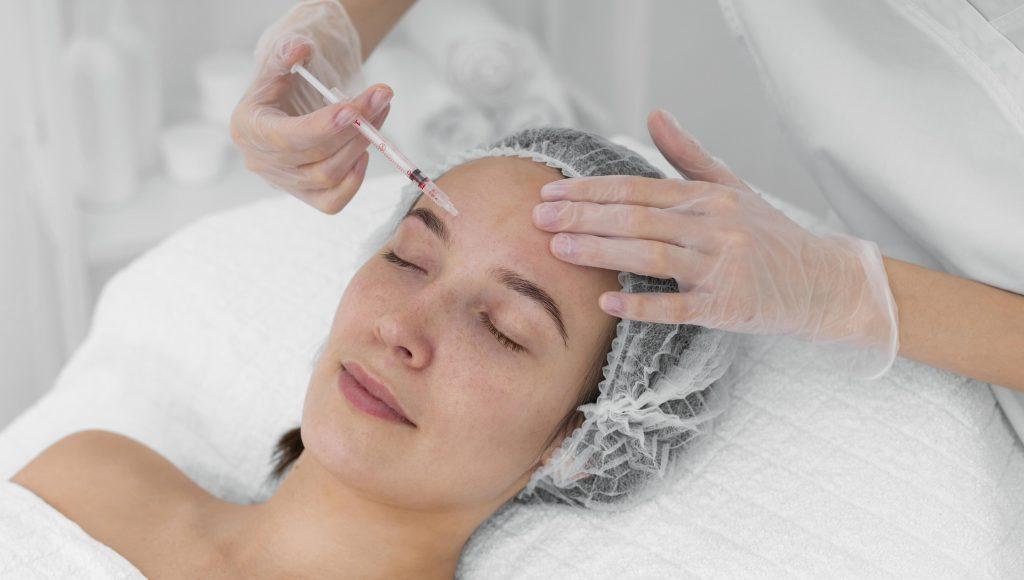
Image Credit: Freepik
Skin boosters are injectable treatments that hydrate and rejuvenate the skin from within. Typically, they use Profhilo, a stabilised hyaluronic acid that provides deep hydration while stimulating collagen and elastin production. Similarly, Restylane Skinboosters improve hydration and elasticity as well as radiance. Although it’s somewhat invasive, it spreads the actives evenly beneath the skin, providing maximum hydration to even the deepest layers. Usually, three to four sessions over a few weeks are recommended for best results. You may experience mild redness, swelling or bruising at the injection site, which resolves in a few days. Post-procedure care involves keeping the treated area clean and moisturised and avoiding excessive sun exposure.
Open Pores
Treatment: Microneedling with exosomes
Recommended by Dr Chytra Anand
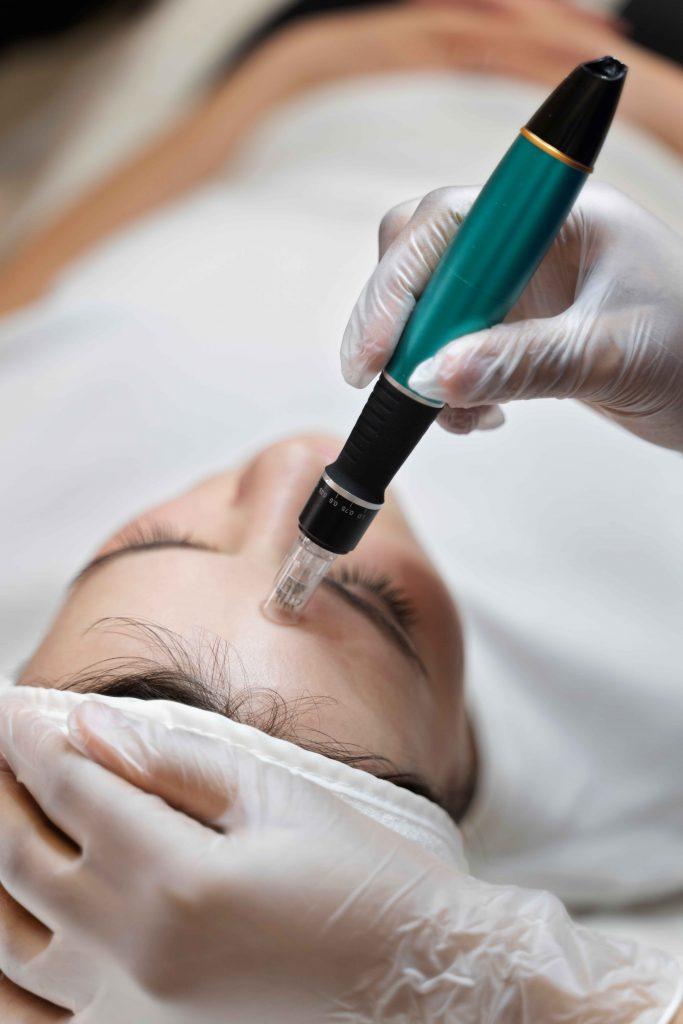
Image Credit: Freepik
Microneedling creates microchannels that allow for deeper penetration and enhanced absorption of exosomes. Exosomes, derived from stem cells and loaded with growth factors, aid in regenerating healthy skin tissue. Together, they reduce pores, improve texture and promote a youthful complexion. Generally, optimal results are achieved with three to six sessions spaced four to six weeks apart. There might be swelling, redness and sensitivity for a few days afterwards. Aftercare involves avoiding sun exposure and harsh skincare products and using a gentle cleanser and moisturiser.
Pitted Skin
Treatment: Microneedling with radio frequency
Recommended by Dr Rashmi Shetty
Depending on the cause of scarring, the treatment of pitted skin is individualistic. By and large, it requires the stimulation of collagen with skincare products like retinoids and peptides. Radiofrequency micro needling uses a fine needle to create micro wounds, or channels, in the skin to trigger the production of capillaries, elastin and collagen. The addition of radiofrequency energy deep into the dermis amplifies the production of skin-improving proteins and enzymes than traditional micro needling. Usually, four to ten sittings are required depending on the skin’s condition. Results are visible in three to six months. Your dermatologist will guide you through post-procedure aftercare, but be sure to wear SPF for several weeks as your skin will be extra sensitive to the sun.
Rosacea
Treatment: Cloudskin Therapy
Recommended by Dr Kiran Sethi

Image Credit: Instagram/Dr Kiran Sethi
While there is no permanent cure for rosacea, treatments and management strategies help control the symptoms. Cloudskin uses pressurised air (JetPeel Technology) to infuse actives deep into the skin. By nourishing skin and promoting cell renewal, it can boost hydration, and improve skin’s overall texture and health. A non-invasive, customisable procedure, it’s particularly suited to those with sensitive skin. Eight sessions are advised for best results, preferably one per week. You might experience slight redness or irritation, especially with a stronger treatment but it’s temporary. Aftercare includes avoiding direct sunlight, using sunscreen and maintaining a gentle skincare routine for lasting results.
Hyperpigmentation
Treatment: Non-ablative Laser
Recommended by- Dr Malavika Kohli
For pigmentation problems, non-ablative lasers like Nd: YAG are used to target overactive A non-ablative laser focuses on specific skin concerns without damaging the extrinsic layer. A non-ablative laser focuses on specific skin concerns without damaging or removing the outer layer of the skin. It is a fast and non-invasive procedure with the capability of reaching deeper layers of skin tissue compared to other laser treatments. It does not require downtime, so you can resume daily activities right after. For best results, about four to six sessions are needed, spaced four weeks apart. A hydrating serum is applied after the treatment. It’s crucial to use broad-spectrum sunscreen daily and avoid active ingredients for a day or two after the session.

Where we give you a fast-paced look into everything you should wish list when you start to think about marriage. What to buy and how to dress, along with modern mithai and the homegrown fragrance makers to bookmark. Make special note of the feature on alta.

It has everything you need to make your wedding special. From the big comeback of red and pink in bridal wear to how the cool kids are wearing corsets to the celebration, there is only one way to get ready for a wedding —with enjoyment.

This section is a building block, a step to a better life. A place where we have all the answers. Or at least the beginning of a great conversation.

This needs very little description. It has travel with a special focus on incredible India, and a collection of wedding albums, sourced randomly, but collected with abundance because happiness has no limits.
