
- Avarna Jain,
Chairperson RPSG Lifestyle Media
Ever Wondered Why We Say 'Tie The Knot' When Getting Married?
Why do people say ‘tie the knot,’ when a couple is getting married? Did you know there's a historical significance for this?
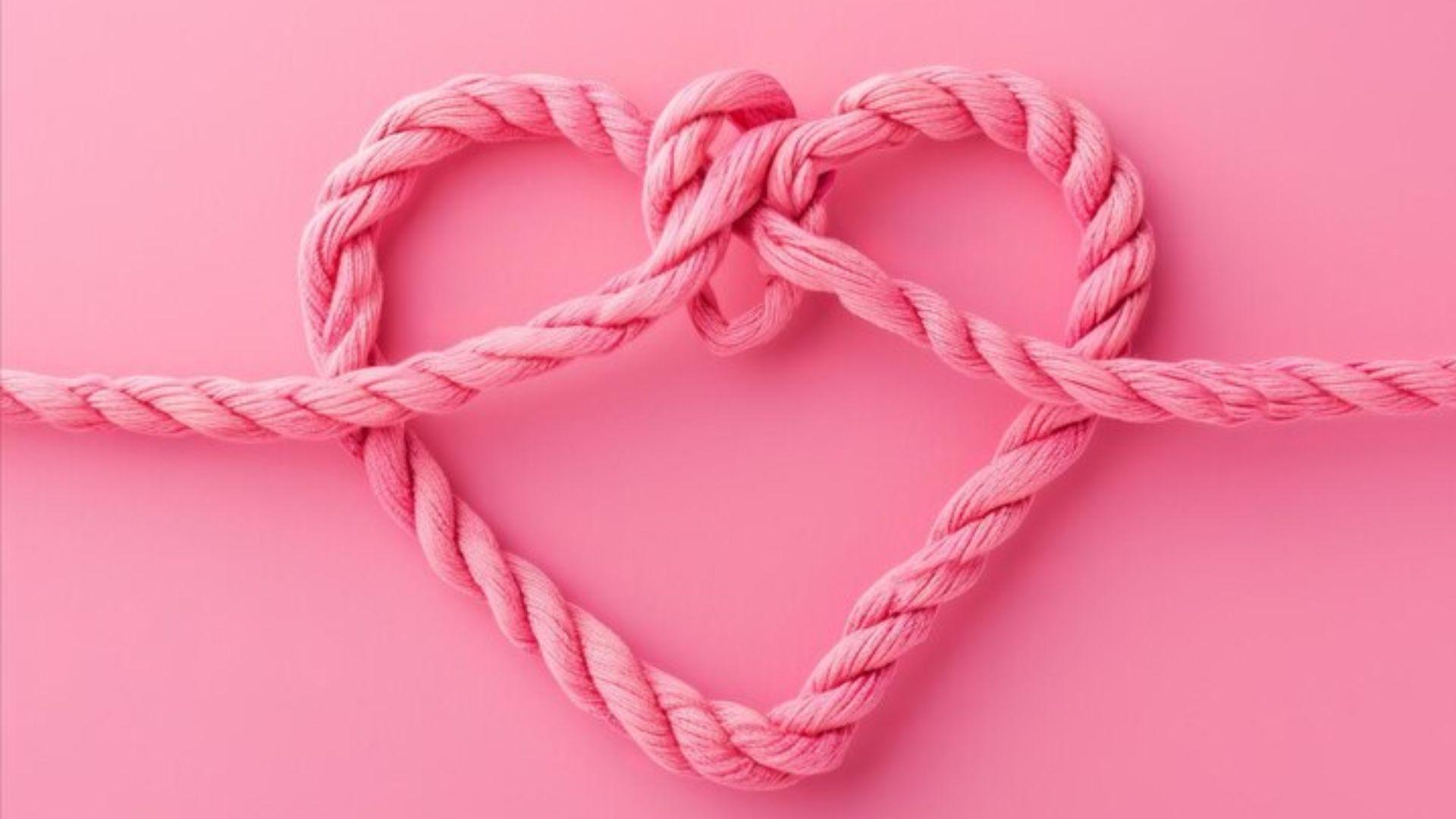
Getting married, or being wedded, has been described as ‘tying the knot’ for years. I always associated the term with two people getting bound in a marital relationship but hadn’t thought much of it until I realised that the term holds historical significance.

Image Credit: Unsplash
So, What Does Tying The Knot Mean?
The term ‘tying the knot’ does symbolise two people coming together. It is about two people entering a marital bond, and it pretty much translates to a couple entering a fixed relationship. The term can be used while congratulating the people getting married, to say ‘Congratulations, you’re tying the knot!’ Or, to simply talk about the happy couple by describing their upcoming nuptials, and saying ‘So and so are tying the knot.’
The Historical Significance Of ‘Tying The Knot’
The term symbolises the unifying of a couple and in some cases a literal ‘tying together’ of two people. But when it comes to the origin of the term, it is inspired by handfasting ceremonies that take place during weddings in the 16th and 17th centuries, most notably in Celtic, Nordic, Irish and Scottish cultures. The centuries-old ceremony symbolises two people merging their lives and coming together to enter an institution. Interestingly enough, this was born out of necessity rather than design.
It was done to tie a couple together, to announce their union before the actual wedding. Sometimes priests and worship houses were too far from villages and so, a handfasting ceremony was performed to symbolise a couple’s plans (kind of like a modern-day engagement announcement but more romantic). The actual ceremony consisted of a couple’s hands being tied together with a ribbon or fabric. They were given the option to wear the ribbons until they got married, and if they decided against it, then the couple would not need to get married.
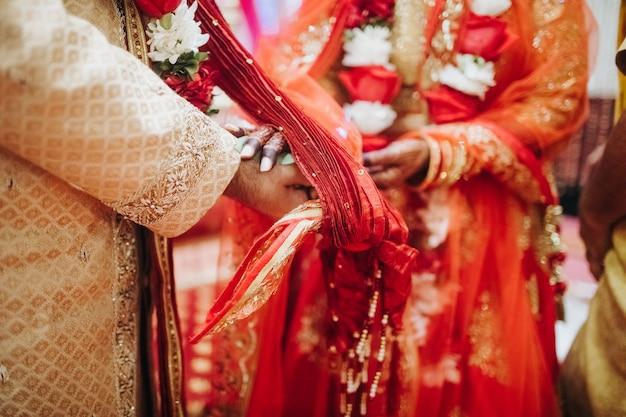
Image Credit: Freepik
In Indian culture, a similar ceremony is seen in Hindu weddings - the Gathbandhan ritual. It symbolises the couple entering a sacramental union. The ceremony is performed by the groom’s sister, who ties the bride’s dupatta to the groom’s shawl before they take seven orbits around the sacred fire. Either way, it seems the idea of tying two people together physically during weddings has been an important part of multiple cultures throughout history!

Where we give you a fast-paced look into everything you should wish list when you start to think about marriage. What to buy and how to dress, along with modern mithai and the homegrown fragrance makers to bookmark. Make special note of the feature on alta.

It has everything you need to make your wedding special. From the big comeback of red and pink in bridal wear to how the cool kids are wearing corsets to the celebration, there is only one way to get ready for a wedding —with enjoyment.

This section is a building block, a step to a better life. A place where we have all the answers. Or at least the beginning of a great conversation.

This needs very little description. It has travel with a special focus on incredible India, and a collection of wedding albums, sourced randomly, but collected with abundance because happiness has no limits.
