
- Avarna Jain,
Chairperson RPSG Lifestyle Media
How the Humble Bangles Became a Circle of Love
From terracotta pieces of the Indus Valley to diamond-studded cuffs of today, bangles trace a story of love, lineage, and everlasting tradition.
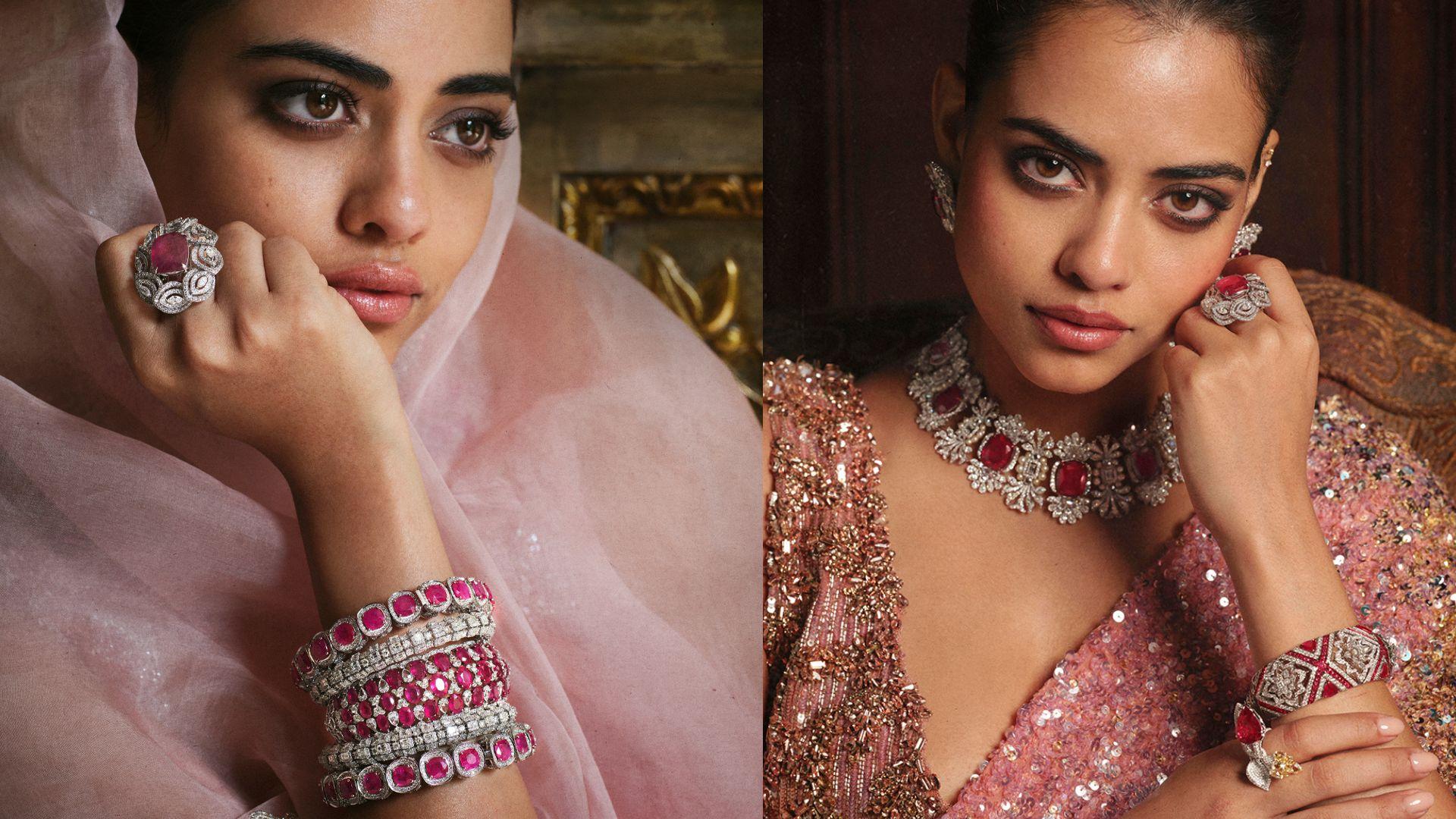
Circle of LoveEvara Bridal
Whether it’s the frantic search to colour-match the right set of bangles with your Diwali outfit or memorising the lyrics and steps to Bole Chudiya (or Sridevi’s iconic song Mere Haathon Mein Nau Nau Chudiyan Hai, if you’re on the other side of the millennial scale) for a sangeet performance, bangles have always been an intrinsic part of our celebrations. But beyond their cinematic sparkle and festive appeal, there lies a history that spans millennia—one that links these delicate circles to the ideas of beauty, protection, and a kind of permanence.
From the Indus Valley Civilisation to the present-day bridal rituals, these bangles and kadas have mirrored the evolution of South Asian womanhood itself—their unbroken form, symbolising everything from prosperity and fertility to love that endures across generations altogether.
TRACING THE CIRCLE
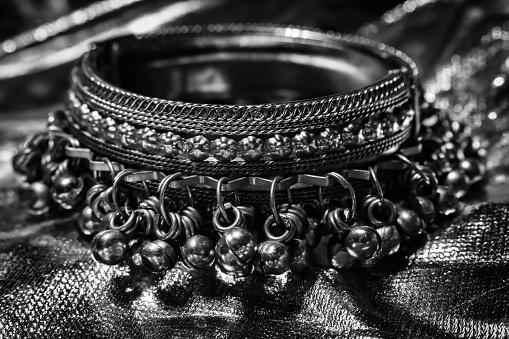
A symbol of loveGetty
You don’t have to be a history buff to recall the image of the famous Dancing Girl from Mohenjo-daro. The bronze statuette was discovered in 2500 BC in Indus Valley, and one of her most notable features was her arms stacked with bangles. In fact, the archaeologists have unearthed bangles made of shell, copper, and faience from the Indus Valley Civilisation. Over the centuries, the artisans have experimented with different materials like terracotta, lac, glass, copper, gold and silver, and even enamel.
As kingdoms flourished, so did the craftsmanship. During the medieval and the Mughal periods, bangles evolved into miniature works of art which were often inlaid with gemstones, enamel, or intricate filigree. Each region, then, developed its own version, like the lac bangles from Rajasthan, ivory from Punjab, glass from Firozabad, and conch shell from Bengal.
RITUALS, REGIONS, AND MYTHS
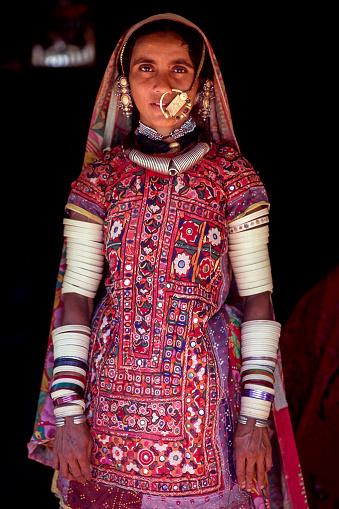
a longstanding ritual!Getty Images
In Tamil Nadu and some parts of Kerala—the Valaikaapu ceremony, which is held during the seventh month of pregnancy—celebrates the mother-to-be with colour, sound, and blessings. Her wrists are layered with glass bangles, usually in vibrant shades of red and green, always in odd numbers. The gentle music of these bangles is believed to stimulate the baby’s senses, marking an early bond between mother and child. As family and friends gather to sing devotional songs and cradle her in affection, the ceremony becomes both, a joyous rite of passage and a lyrical reminder of how deeply bangles are woven into life’s most sacred milestones.
In the Northern parts of India, brides often wear a chura set. These red and white bangles are traditionally made of ivory or plastic. The chura ceremony marks her passage into marital life. The bride wears the set for weeks or even months after the wedding, until she’s considered settled in her new home.
For brides in the Eastern part of India, namely Bengal and Odisha, the shakha pola set—which combines a white conch shell (shakha) and red coral (pola)—is worn alongside a gold bangle known as loha. The combination is believed to bestow prosperity and protect the couple from misfortune. In Maharashtra, brides wear green glass bangles, green being the colour of fertility and new beginnings. They pair it with gold patlya and tode, thick cuffs passed down through generations.
Communities from Rajasthan and Gujarat believe that lac bangles bring good luck and ward off the evil eye, while brides from the South often wear ornate gold bangles engraved with auspicious motifs, such as peacocks and mango leaves. The tinkling sound of bangles, folklores suggest, drives away negative energy and fills the home with joy.
Even among grooms, especially in Punjab, a single kada has long been a sign of faith and protection. It’s a reminder to act with integrity and courage, and in some families, the same kada is passed from father to son as an heirloom.
SYMBOLISM, IDENTITY, AND MODERN RESONANCE
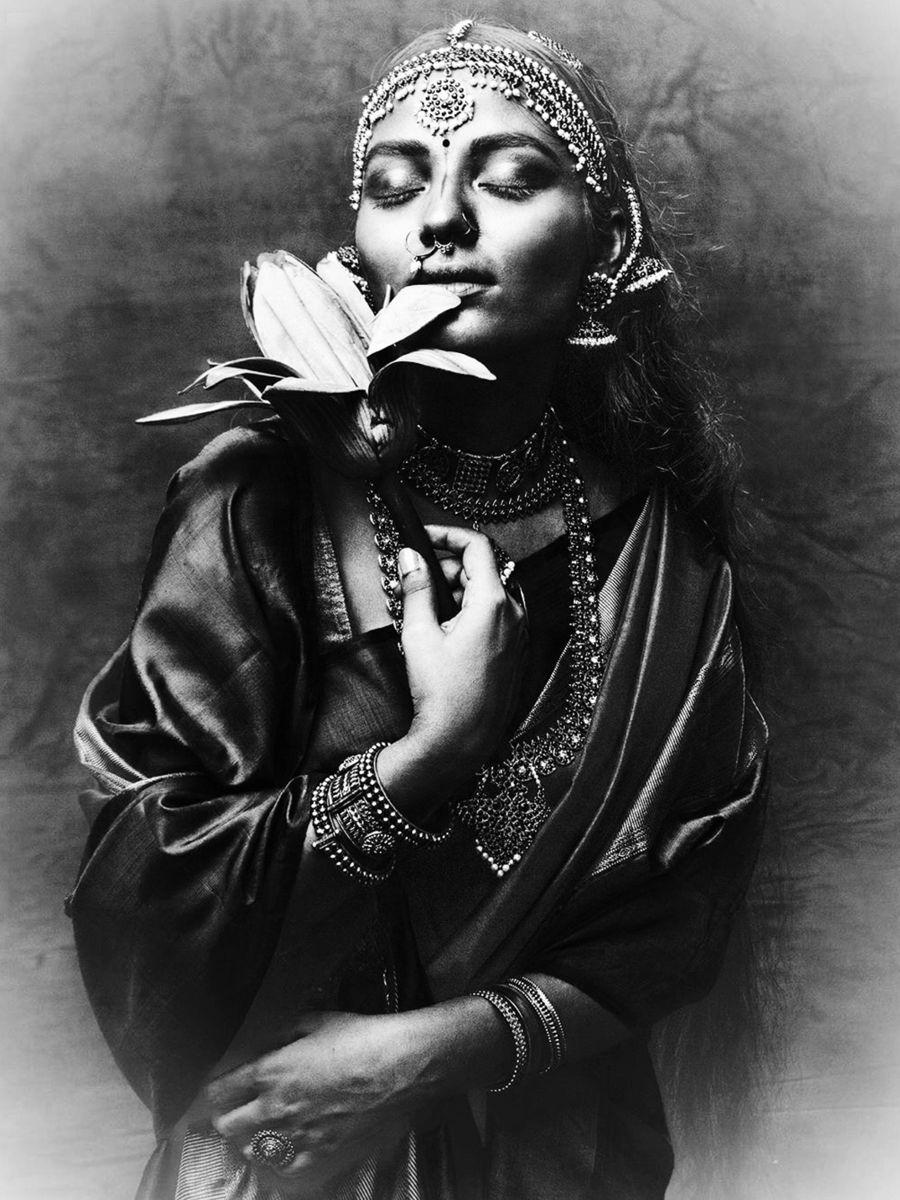
a hint of romance!
Why do brides (and grooms) still insist on wearing bangles or a stately kada when minimalism dominates modern fashion? Part of the answer lies in symbolism. The circle, which is a form without beginning or end, represents eternity. To wear bangles at one’s wedding is to embrace continuity, harmony, and the unbroken rhythm of love.
Traditionally, a married woman’s bare hands were considered inauspicious. Bangles completed the bridal solah shringar, the sixteen adornments of beauty, and their breaking too soon after the wedding was often seen as a bad omen. In many communities, special rituals accompany the removal or replacement of bridal bangles, reinforcing their role as protectors of marital bliss. Bangles, historically, also marked social belonging and wealth. When they were crafted from gold or ivory, they doubled as portable assets and were seen as a wearable form of security for women.
Today, they serve as both cultural markers and statements of style. Designers are reinterpreting traditional motifs through gold, enamel, diamonds, and even contemporary silhouettes, blending heirloom significance with new-age finesse.
For the modern bride, the bangle stack is a canvas of personal storytelling: glass mingles with gold, heirloom cuffs with custom diamond kadas, inscribed with initials or wedding dates. The artistry remains deeply rooted in ritual, but the expression is refreshingly individual. After all, a bride’s bangles are not merely ornaments. They are circles of memory and meaning. They tell tinkling tales of ancestry, love, and continuity. Each bangle is a reminder that the most powerful cultural symbols are most often the simplest ones.

Where we give you a fast-paced look into everything you should wish list when you start to think about marriage. What to buy and how to dress, along with modern mithai and the homegrown fragrance makers to bookmark. Make special note of the feature on alta.

It has everything you need to make your wedding special. From the big comeback of red and pink in bridal wear to how the cool kids are wearing corsets to the celebration, there is only one way to get ready for a wedding —with enjoyment.

This section is a building block, a step to a better life. A place where we have all the answers. Or at least the beginning of a great conversation.

This needs very little description. It has travel with a special focus on incredible India, and a collection of wedding albums, sourced randomly, but collected with abundance because happiness has no limits.
