
AI generated summary, newsroom reviewed
Diwali, the most awaited festival of the year, is almost here. And with it comes the joy of cleaning and decorating our homes to give them a whole new, fresh look. This is also part of a ritual where deeply cleaning the surroundings during this festive season symbolises inviting Goddess Lakshmi into our humble abodes, leading to prosperity and wellness. With the decor buying also comes with using plastics, thermocol, cardboard boxes that can lead to a massive influx of non-biodegradable waste, that can harm environment long after the festivities are over.
So, here's a curated a guide to eco-friendly Diwali décor, with a list of tips and tricks that will ensure a sustainable festive celebration.

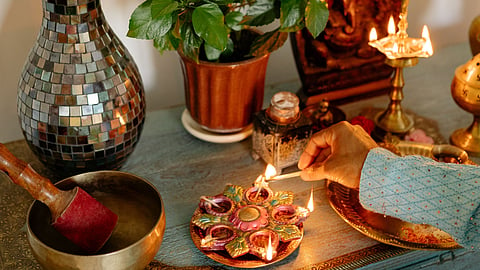
Instead of buying a new set of diyas every year on Diwali, invest in clay ones that remain as good as new even after prolonged use. Clean them thoroughly after every use so that there is no speck of oil left in them. However, make sure to only choose unglazed and unpainted ones, as they do not exude chemicals into the environment. You can also choose to paint diyas at home using natural paints.
Food has always been an integral part of every Indian festival. From family get-togethers and late-night card parties to elaborate feasts, there are dishes that are special to every household. To serve these, it's a good idea to use biodegradable cutlery made from materials like pulp residue, palm leaves, husk, paper and more. Materials like glass, plastic and thermocol end up in the landfill and can harm the environment.
No Diwali décor is complete without beautiful marigold bunches and mogra strings. From living rooms, bedrooms and lobbies to balconies, flowers add a pop of colour and act as natural home fragrances. You can also experiment with different flower arrangements to make the room look vibrant and fragrant. For example, you can blend white chrysanthemums with a bunch of pink lilies or white carnations with yellow roses. Or just have mogra buds and floating diyas in a bowl of water to make for a pretty festive centre piece.
Instead of buying flowers, pooja essentials, torans, and diyas from big brands in malls, support your local shopkeepers and vendors. By doing so, you not only help the economy, but also invest in materials that are carefully made by bare hands with the purest ingredients. These pieces stand out from bulk-made products and have their own individuality.
Instead of buying new furnishings and upholstery every year on Diwali, you must focus on building a collection that is made from premium-quality fabrics. Fabrics like linen, organic cotton, hemp and silk not only feel good to the skin but also retain their quality even after regular use. You can also incorporate old clothing pieces and fabrics into home décor, for example, using an old scarf as a table runner or old fabric pieces as coasters for your centre table.