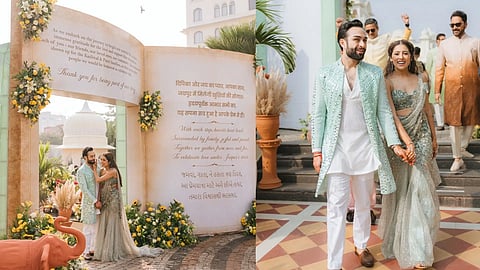

Planning an intimate wedding is an art, a skill that requires precision and a passion for the details that sit right in the middle of the ceremony, holding the entire function together. And according to top Indian wedding planners, the beauty of intimate weddings is that they permit you to be present. Your wedding is about you– so do you, unapologetically and wholeheartedly. They believe that for intimate weddings, impact comes from intention, not scale. When the guest list is small, every detail has the opportunity to feel personal.
Dakshita Bhatla Gangola, a wedding planner based out of Uttarakhand and founder of DB And Spaces, believes that intimacy comes from creating small, thoughtful moments rather than something grand. One of the most meaningful ways to make an intimate wedding special is by introducing a few carefully considered moments within the celebration. She emphasises that these elements work because they are experiential rather than decorative. “They invite emotion quietly and become part of the flow of the celebration.”
Vedika Mohan of The Wedding Design Company adds, “I believe the most memorable elements are those that invite guests into a feeling, not just a pretty setting. This could mean post-ceremony bells rung by guests instead of applause, which creates a serene atmosphere.”
However, not just that, Vedika Mohan shares that food and beverages play a powerful role in memory making. Custom ‘His & Hers’ favourite dishes like pizza or fries boxes, menus designed around favourite comfort foods or playful packaging that makes the experience feel warm, familiar and deeply personal. These are the details guests take photos of, talk about on the drive home and remember years later, not because they were extravagant, but because they felt real.
“Personalisation should feel like an extension of the couple’s life together, not a checklist of trending things. The key is asking ‘What feels like us?’ instead of ‘What looks good online?’”
According to Dakshita, personalisation should extend into everyday wedding moments—customised bar menus, signature drinks, and sit-down dinners where each table is named after shared memories or places that hold meaning for the couple. When guests recognise the thought behind these details, the celebration feels warmer and more personal, giving couples and guests space to be present.
Echoing the idea that weddings are deeply personal milestones, Sachin Singhal, founder of Bandbaaja.com, shares that every wedding they design is rooted in the couple’s story. “A wedding is a deeply personal moment. It is not just an event—it is a celebration of the couple and the journey they have shared.”
He explains that their approach focuses on reflecting how couples met, what connects them, and the small details that define their relationship. “We make every guest feel important by making them involved in the wedding rather than just observing on the sidelines. When everyone feels this feeling of oneness they carry long lasting memories home.”
For Sachin, guest involvement plays a key role in creating emotional impact at smaller weddings. Instead of designing moments to be watched, they focus on making guests feel like active participants in the celebration.
Vedika Mohan adds, “One of the most underrated decisions couples can make is giving key moments the same attention they give outfits. For example, if the entry truly matters to you, it shouldn’t be left as a last-minute call.
Deciding the song, the pacing, and how you want to walk into your event well in advance allows the moment to feel natural, confident and cinematic. The result is far better photos and videos that capture the emotion forever rather than chaos. When a moment is planned with intention, it shows on camera as a forever memory.”
Personalisation, many planners agree, begins when couples stop designing for the internet and start designing for themselves. Vedika Singhal of Ferris Wheel Diaries believes the most meaningful weddings begin with understanding one’s roots and identity as a couple. “The most meaningful approach is beautifully simple: know your core, understand your roots, and let your wedding be an authentic reflection of who you are as a couple.”
She encourages couples to move away from trends that do not resonate with them and instead choose symbols, phrases, or elements that genuinely reflect their story. “Whatever you choose should make sense to you first, and everyone else second.”
According to Vedika, personal touches are what guests remember long after the wedding is over. Whether it’s photography, literature, pets, shared hobbies, or inside jokes, these elements transform the celebration into an intimate portrait of the relationship. “When guests encounter a detail and immediately think, ‘Oh, this is so them,’ you’ve achieved something far more valuable than aesthetic perfection.”
Personalisation also extends to how couples approach planning. Vedika highlights that involving close family and friends meaningfully—not just assigning tasks—can transform the experience. “When people feel included, they become invested. They want to contribute meaningfully, and that collective energy elevates the entire celebration.”
She adds that this involvement often eases pressure on the couple, allowing them to stay present instead of overwhelmed by logistics.
While authenticity is central, planners also note a shift away from DIY weddings towards professionally executed intimate celebrations. Aliya Vij of The Wedding Duo observes that couples today want smaller weddings that are still meticulously planned and thoughtfully executed. “The time for DIY is out. It’s more about paying attention to the minutest details and quality of service.”
They share examples of couples reinventing traditions to suit their values—such as weddings without mandaps, pheras, or even priests, while still honouring the essence of Hindu ceremonies. “You can still have a small wedding and you can still pay attention to the sweetest details and reinvent the trends and ceremonies in your own way.”
Entertainment, according to them, is one of the most underrated planning decisions in intimate weddings. “It’s about paying attention to every moment—from the time guests walk into the hotel, to the welcome lunch, the Sangeet, Haldi, and finally the wedding day itself.”
Rather than relying on scale, they focus on curated playlists, thoughtful performers, and seamless transitions that quietly elevate the experience.
They also note that smaller guest lists allow couples to invest in better venues and experiences rather than spreading budgets thin. “One of the most common mistakes couples make is choosing cheaper options over quality-driven ones.”
Trusting the planner, they say, is key. “We are, above all, your wedding consultants and friend cum therapists.”
From a luxury perspective, F5 Weddings’ Purvi Modgil frames intimate celebrations as exercises in discernment rather than display. “In luxury intimate weddings, meaning is expressed through discernment rather than display.”
They believe emotional authenticity—not excess—is what defines refined celebrations. “True luxury lies in emotional authenticity—when nothing feels added for effect and everything feels precisely considered.”
In smaller settings, Purvi notes that guests tend to remember immersive details more than elaborate elements. Personalisation, they say, begins when couples look inward rather than following trends. “When a wedding reflects lived experiences rather than borrowed ideas, it feels deeply personal and timeless, regardless of scale.”
Another recurring theme across planners is pacing. Purvi highlights that the rhythm of an intimate wedding can completely transform its atmosphere. “Luxury is often felt in unhurried moments—time for conversation, pauses between events, and space to experience each setting fully.”
Intimate weddings also allow couples to be emotionally present rather than managing logistics. “Without the pressure of managing a large production, couples can truly engage, with each other, their families, and their guests.”
Despite their smaller size, intimate weddings are not without challenges. Multiple planners caution against over-scheduling or trying to please everyone.
Vedika points out that accommodating every opinion often leads couples back to the very stress they were trying to avoid. “In trying to make everyone happy, they end up creating the exact stress they were trying to avoid.” Purvi echoes this sentiment, noting that restraint is essential to preserving calm and clarity.
Managing family expectations is another area where planners play a crucial role. According to Sachin, understanding emotions and aspirations early allows planners to create space for everyone without disrupting harmony.
Vedika describes planners as emotional buffers. “Our role is to be the buffer—to absorb stress so the couple and their families don’t have to.”
Across all perspectives, one thing is clear: intimate weddings are not about doing less but about doing what matters, thoughtfully and intentionally. When planned with clarity, supported by experienced teams, and rooted in authenticity, they allow couples to experience their wedding rather than perform it.
