
- Avarna Jain,
Chairperson RPSG Lifestyle Media
Symbols of Marital Status Around The World
From the Nepalese Pote and Tilhari to the Masai tribe’s Nborro, cultures have depicted marriage in special ways from the beginning of time.
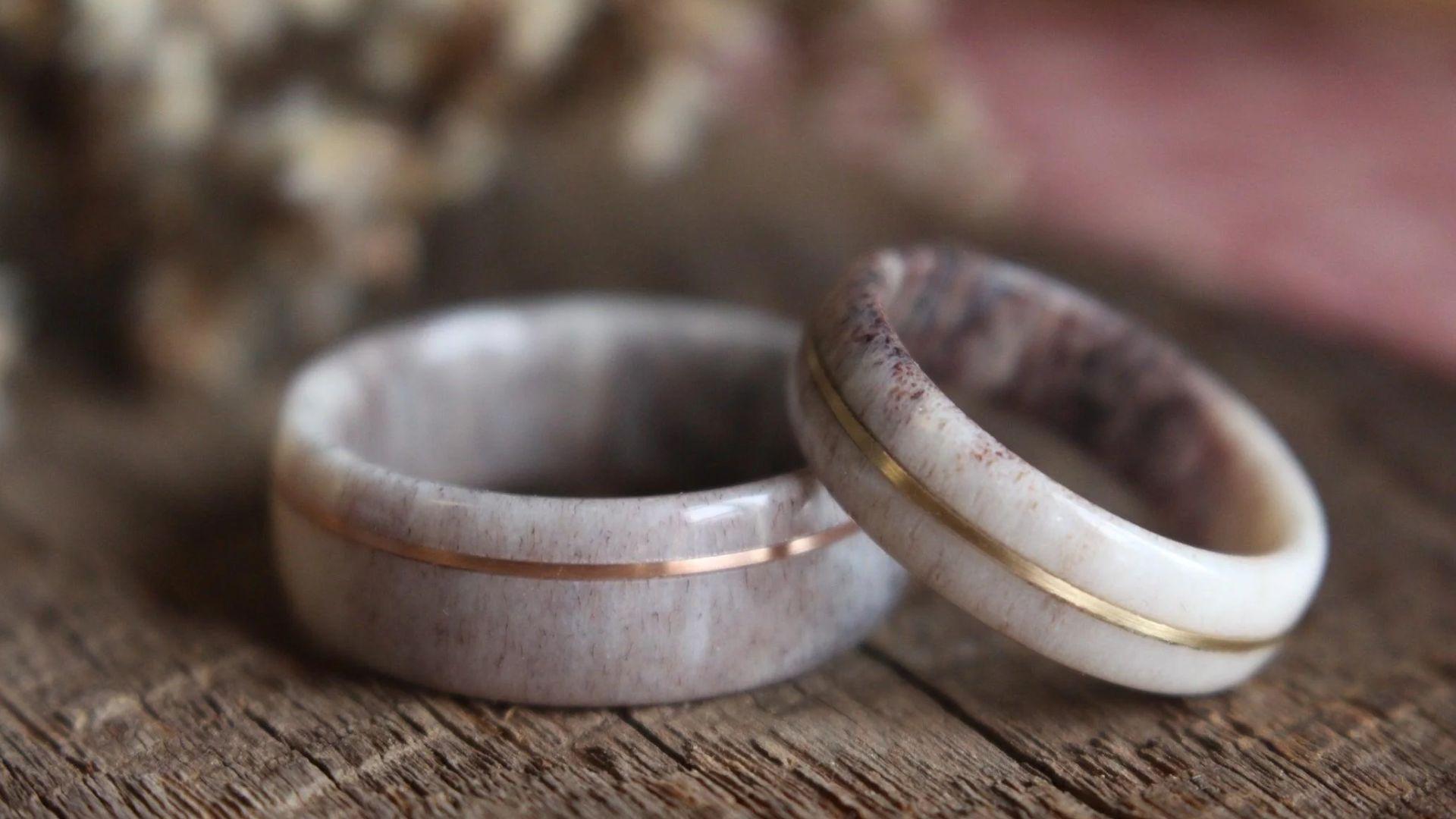
In Ancient Egypt, couples would tie the knot by exchanging ivory, hemp or gold rings.Rustic & Main
As special, valuable and sentimental wedding rituals are, there are many traditions associated with marriage that are equally important and full of cultural significance. Take, for instance, wedding jewellery symbolising marriage in different ways across the world; from rings to the mangalsutra, accessories are wonderful expressions of love, union and marriage.
You May Also Like: From Blessings to Beginnings: Why Rice is Sacred in Indian Weddings
Many cultures across the world have their own, significant markers of marriage. Visual symbols to let loved ones know that you’re experiencing marital bliss, if you will. In a country with as many regions and cultures as ours, there are uncountable signs and trinkets that signal ‘Married,’ to society. So, whether that’s the Pote and Tilhari from Nepal or dainty bichiya worn on the feet, Indian culture is full of ornate details surrounding marriage.
Earliest Forms Of Marital Status Markers
When it comes to draping and veils, it seems, ancient Romans had similarities with many Indian cultures. Ancient Roman married women were known to cover their hair with the end of the fabric that was draped on their body. During the Joseon Dynasty, Korean women who had tied the knot, were known to do their hair up in a chignon, which was known as the Jjok meori. The first ever wedding ring documented in the history of time was seen in Ancient Egypt – the Ancient Egyptians believed that the “vena amoris” (vein of love), the third finger on the left hand was ideal to wear a wedding ring on. When the rings were first exchanged, they were made of hemp or woven reeds, later the couples chose rings made from materials such as leather, ivory or gold.
You May Also Like: Blooming Love: Flowers in Indian Wedding History
What Do Visual Markers Of Marital Status Look Like Today?
Many tribes in Arunachal Pradesh are known for their rich tattoo culture. The Wancho tribe, which resides in the Eastern part of the state, has held traditions of tattooing people at every stage of their life. And Wancho women receive a tattoo on their knee once they get married too.
Among Hindu Brahmins, when men get married, and once they undergo the Upanayana or Yagnopavitra ceremony, they start wearing six threads in their Jeneu, as opposed to three (before marriage). And while we’re talking about men donning symbols of marriage, the Himba men of northwest Namibia start covering their head with a turban once they get married, which is never removed (unless he is widowed). Before this, Himba men signal their single status by wearing a long single plait known as an ‘ondato’, or two plaits, known as ‘ozondato’. Even in the Amish community, most men who carry beards are married. Whereas, if they’re clean shaven, they’re most probably unmarried.
You May Also Like: The Heartwarming And Special Roles Brothers Play In Indian Weddings
One thing is clear though, jewellery is a common marker of marital status and has been since the beginning of time. Women of the Masai tribe of Kenya display their marital status by wearing a Nborro, which is a long, beautiful necklace made of blue beads. This tells other men that they are no longer available for marriage. In the Zulu tribe, a tribe in South Africa, women change their attire at different stages of life. Once they’re married they cover their body up completely to signal to other men that they are spoken for.
You May Also Like: Bold Wedding Traditions Exploring Sex, Power & Gender

The Masai tribe adorns women with blue beaded necklaces once they tie the knot.Etsy
In terms of wedding jewellery, it seems subtle details such as how Sri Lankan men usually wear their wedding rings on their right hand, as opposed to the women, who wear it on the left hand are an interesting distinction in culture.
You May Also Like: Looking To Keep Your Wedding Venue Vastu Friendly? Here’s What To Know
And last, but certainly not the least, Indian women often choose to wear the shankha pola (common among Bengali brides and married women), or the bridal chooda (prominent among North Indian married women) and/or the sindoor to make their marital status clear to the world.
Whether it's through hair, clothing or jewellery, marriage marks a milestone in many people’s lives, for which reason traditions have always commemorated it in more ways than one – via jewellery, hair styles or accessories!

Where we give you a fast-paced look into everything you should wish list when you start to think about marriage. What to buy and how to dress, along with modern mithai and the homegrown fragrance makers to bookmark. Make special note of the feature on alta.

It has everything you need to make your wedding special. From the big comeback of red and pink in bridal wear to how the cool kids are wearing corsets to the celebration, there is only one way to get ready for a wedding —with enjoyment.

This section is a building block, a step to a better life. A place where we have all the answers. Or at least the beginning of a great conversation.

This needs very little description. It has travel with a special focus on incredible India, and a collection of wedding albums, sourced randomly, but collected with abundance because happiness has no limits.
